
Natural Herbs
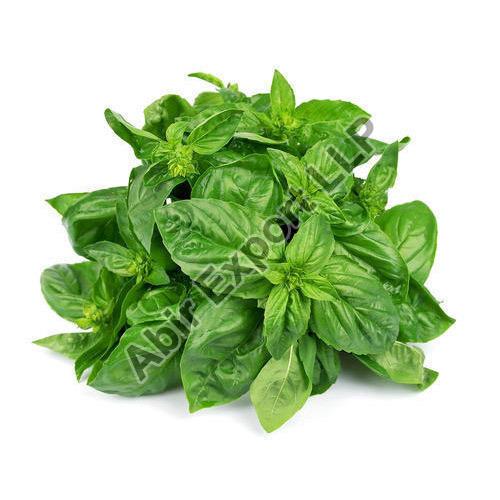
| Business Type | Exporter, Supplier, Trader |
| Country of Origin | India |
| Style | Fresh |
| Application | Medicinal |
| Cultivation Type | Organic |
| Color | Green |
| Form | Leaves |
| Benefits | Joint Pain, Lower Blood Sugar, Lower Your Cholesterol |
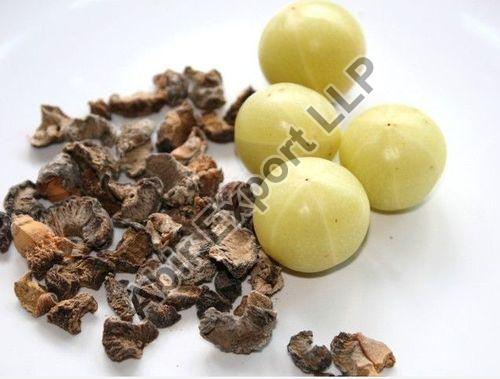
| Business Type | Exporter, Supplier, Trader |
| Country of Origin | India |
| Certification | FSSAI Certified |
| Application | Cooking |
| Shelf Life | 15-20days |
| Feature | Good For Skin |
| Form | Flakes |
| Packaging Size | 2-5kg |
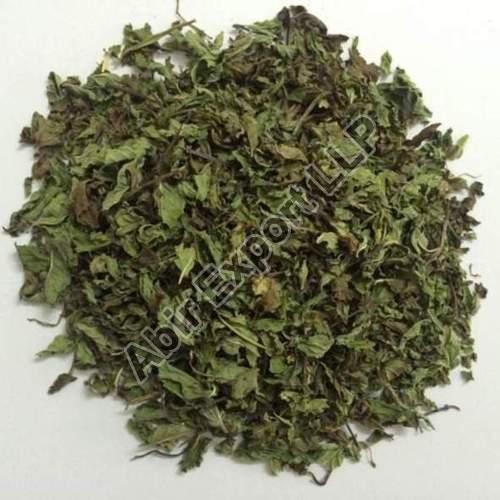
| Business Type | Exporter, Supplier, Trader |
| Country of Origin | India |
| Drying Process | Sun Dry |
| Style | Dried |
| Feature | Hygenically Packed |
| Form | Leaves |
| Purity | 100% |
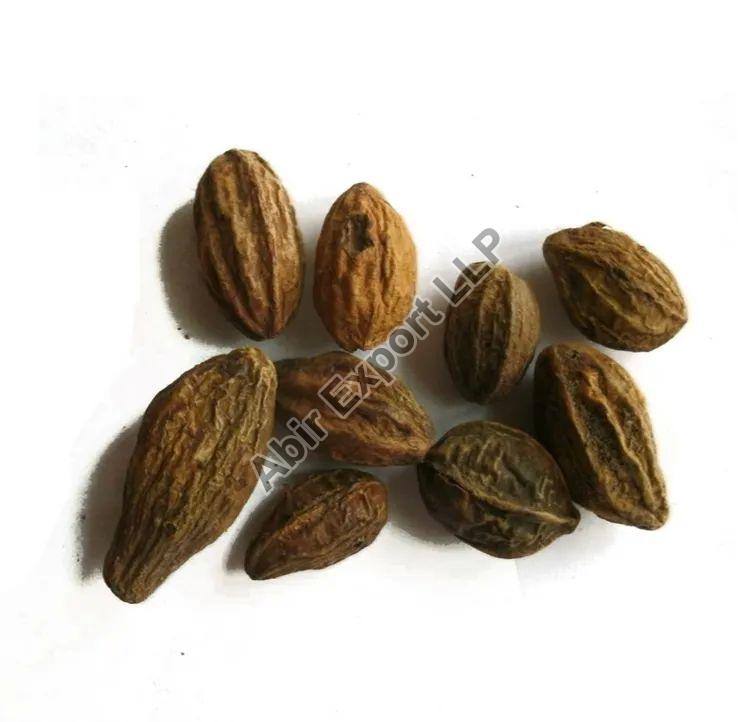
| Business Type | Exporter, Supplier, Trader |
| Country of Origin | India |
| Trade Name | Myrobalan |
| Botanical Name | Terminalia chebula |
| Application | Medicinal |
| Color | Brown |
| Shelf Life | 2 Years |
| Cultivation Type | Natural |
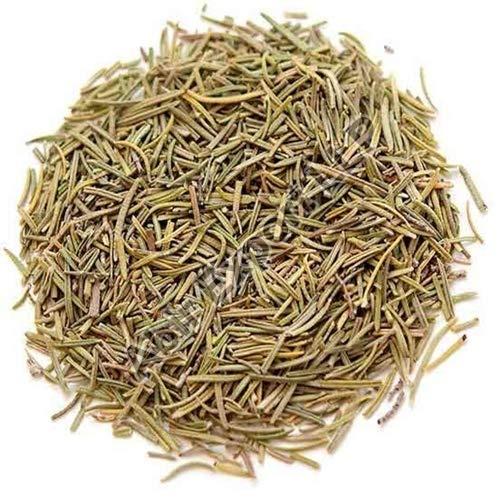
| Business Type | Exporter, Supplier, Trader |
| Country of Origin | India |
| Style | Dried |
| Cultivation Type | Organic |
| Form | Leaves |
| Packaging Type | Plastic Packet |
| Drying Process | Sun Dry |
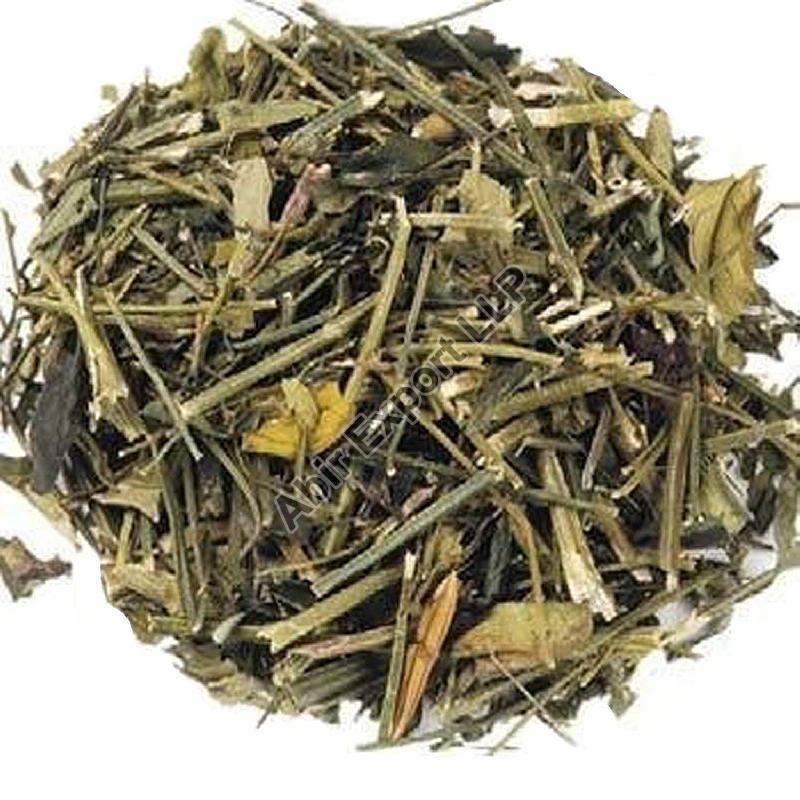
| Business Type | Exporter, Supplier, Trader |
| Country of Origin | India |
| Type | Herb |
| Cultivation Type | Organic |
| Shelf Life | 6 Months |
| Grade | Medicine Grade |
| Purity | 99.99% |
| Packaging Type | Plastic Packets, Plastic Pouches |
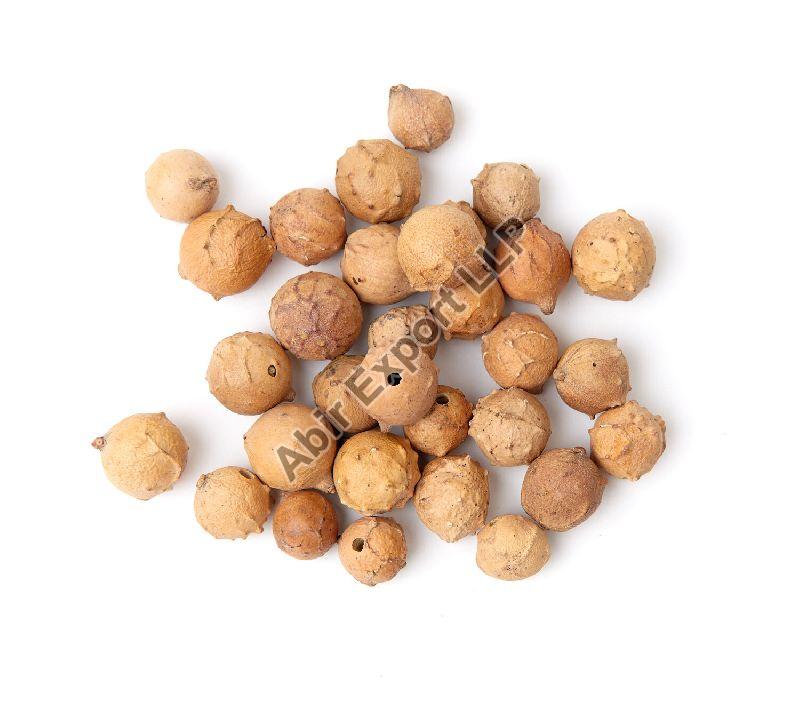
| Business Type | Exporter, Supplier, Trader |
| Country of Origin | India |
| Packaging Size | 5-25 Kg |
| Packaging Type | Packet |
| Is It Dried | Dried |
| Shelf Life | 18 Months |
| Organic | Yes |
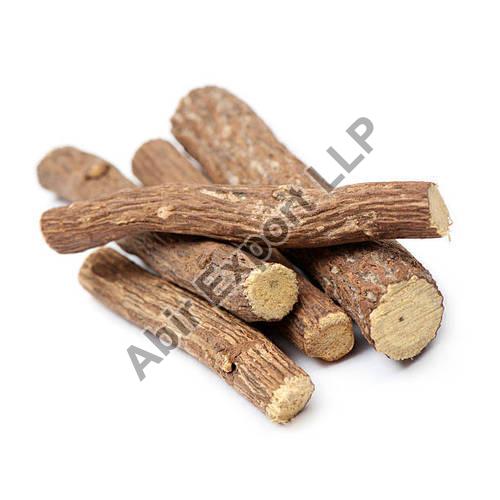
| Business Type | Exporter, Supplier, Trader |
| Country of Origin | India |
| Style | Dried |
| Form | Dried Roots |
| Packaging Type | HDPE Bag, Plastic Bag |
| Flavour | Sweet |
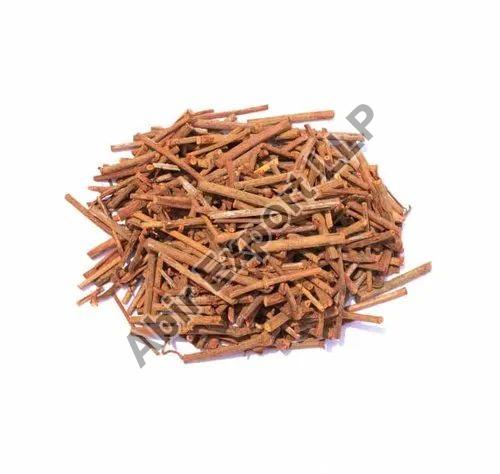
| Business Type | Exporter, Supplier, Trader |
| Country of Origin | India |
| Shelf Life | 1 Yr |
| Color | Red |
| Condition | Dried |
| Form | Roots |
| Packaging Type | Packet |
| Part | Herb |
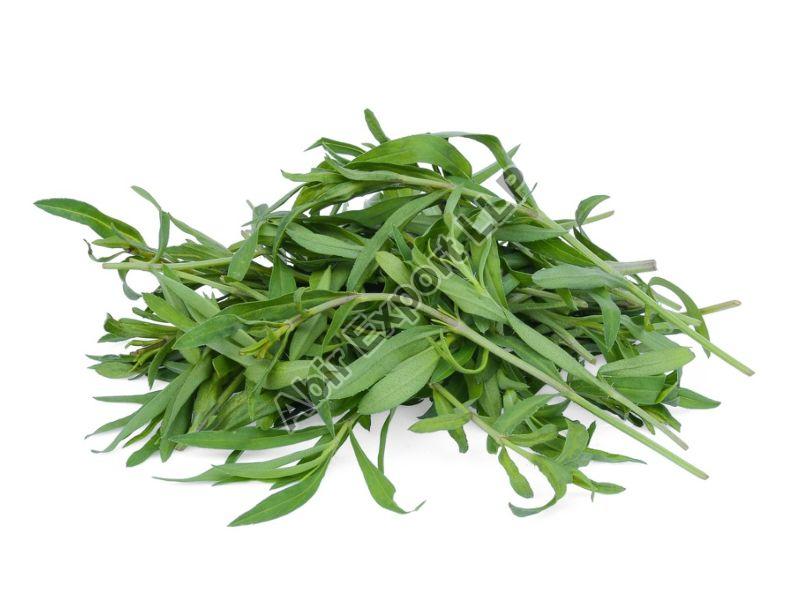
| Business Type | Exporter, Supplier |
| Country of Origin | India |
| Style | Fresh |
| Cultivation Type | Organic |
| Feature | Insect Free, Nice Aroma |
| Calories | 295/100gms |
| Total Fat | 7 g/100gms |
| Total Carbohydrate | 50 g /100gms |
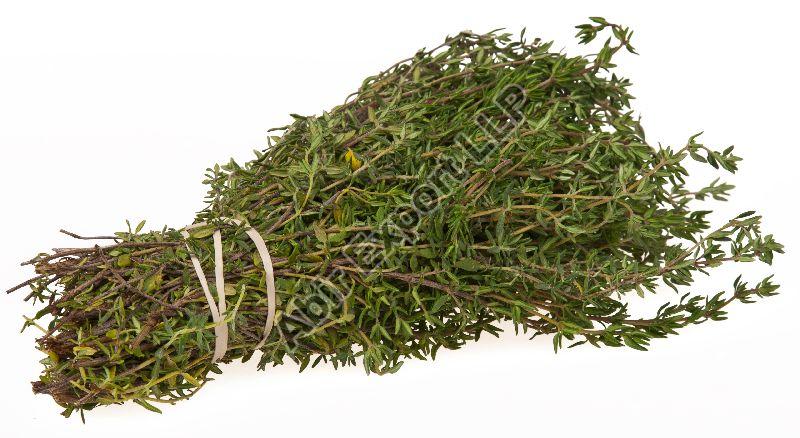
| Business Type | Exporter, Supplier, Trader |
| Country of Origin | India |
| Cultivation Type | Organic |
| Shelf Life | 1 Months |
| Color | Green |
| Packaging Type | Plastic Bag |
| used | Used For Medicinal Purpose |
Why Natural Herbs in India Are Beneficial for You
Natural herbs have been an integral part of traditional wellness and holistic health practices for centuries. In a world where synthetic supplements and chemicals are everywhere, choosing herbs derived directly from nature offers a gentler and often more effective way to support your body’s natural functions. Natural herbs in India are sourced from diverse climates and rich biodiversity, bringing the goodness of potent botanicals that can help with digestion, immunity, stress management, joint health, skin care, and overall vitality.
Herbs like Ashwagandha, Tulsi, Neem, Giloy, and Amla are celebrated for their therapeutic properties and are widely used in daily routines to boost health naturally without harsh side effects. The nutrient profiles of these herbs often include antioxidants, minerals, and phytonutrients that work in harmony with your body. For people seeking holistic wellness, natural herbs offer a time-tested path to better health, rooted in Ayurveda and reinforced by modern research.
By incorporating natural herbs in India into your lifestyle, you choose a path that emphasizes natural balance, well-being, and sustainable health support. Whether you want to strengthen your immune system, enhance mental clarity, support metabolic health, or maintain radiant skin, these herbs offer a versatile and wholesome approach that resonates with both traditional wisdom and contemporary needs.
FAQ
Brewed as herbal teas or infusions (e.g., basil, thyme, mint)
Added to cooking for flavour and health benefits (e.g., dried gooseberry)
Used in traditional remedies for digestion, immunity, or skin care
Prepared as powdered or decoction forms for holistic wellness
Their traditional uses align with daily health practices and Ayurveda.

